

If your drain keeps blocking after it has already been cleared, there is usually an underlying problem inside the pipe. A one-off blockage can be caused by grease, hair, wipes, soap scum, or food waste. But when the same toilet, sink, shower, sewer line, or outdoor drain blocks again and again, the pipe may be damaged, holding debris, invaded by tree roots, or no longer draining at the right fall.
For Sydney homes, recurring blockages are especially common in older terracotta, clay, cast iron, and ageing PVC drain lines. A quick drain clean may restore flow for a short time, but it will not fix a cracked pipe, root-damaged joint, collapsed section, or sagging line. That is why a CCTV drain camera inspection is often the most important next step when the same blockage returns.
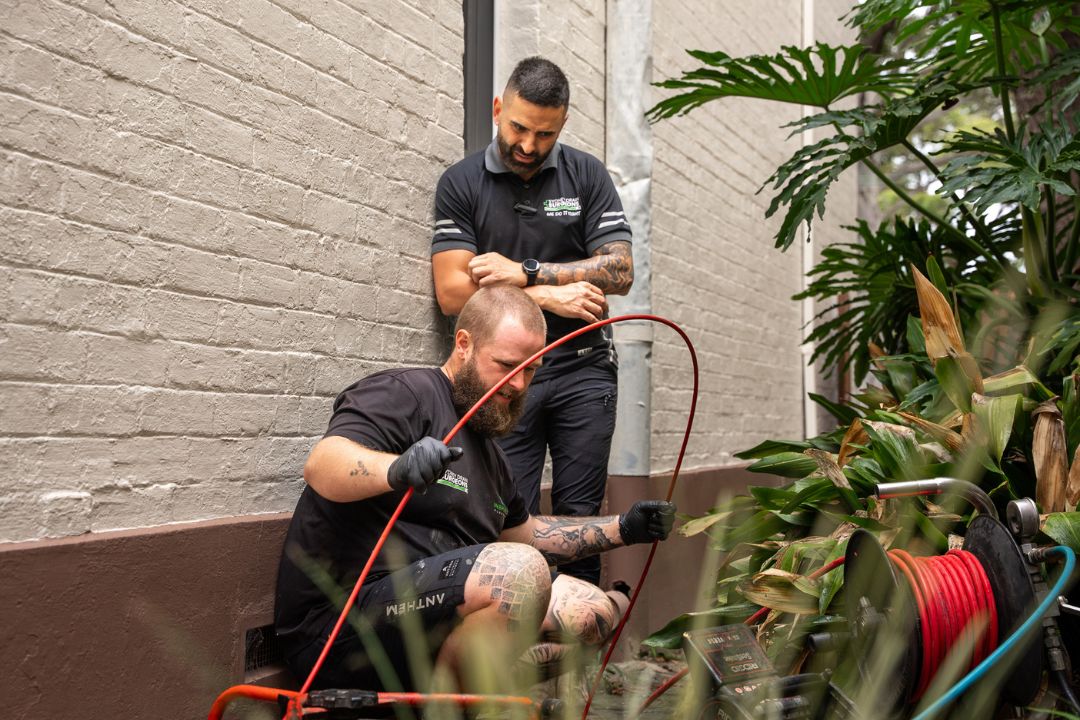
sydney drain surgeon blocked drain service
Drain clearing removes the immediate obstruction so water can move again. But if the pipe has an internal defect, debris can quickly catch in the same spot. Think of it like clearing traffic after a crash without repairing the damaged road. Flow returns for a while, but the same area remains vulnerable.
This is why many homeowners feel frustrated after paying for a drain to be cleared, only to have the problem return days, weeks, or months later. The drain was not necessarily cleared incorrectly. The issue may be that clearing alone was never enough to solve the real fault.
Tree roots are one of the most common causes of repeat drain blockages in Sydney. Roots naturally search for moisture. If there is a small crack, loose joint, or weak point in a sewer or stormwater pipe, roots can enter and grow inside the line.
Once roots are inside, they trap toilet paper, grease, wipes, and other debris. Water jetting can cut roots back and clear the flow, but roots may return if the opening in the pipe is still there. In these cases, a CCTV inspection can show exactly where the roots are entering and whether tree root removal from pipes or pipe relining is the better long-term option.
Cracked or misaligned pipes create ledges inside the drain. These ledges catch waste and slow the movement of water. Over time, the same section fills again and causes another blockage.
This is common in older Sydney properties where ground movement, ageing materials, nearby trees, or previous excavation work have affected the pipe. If the pipe is structurally damaged, repeated plunging or chemical cleaners will not solve the issue. The pipe needs to be assessed properly and repaired using the most suitable method.
A pipe belly happens when part of the drain line has dropped and created a low point. Water and waste sit in this section instead of flowing away cleanly. Even after the drain is cleared, material can collect in the same dip and cause another blockage.
Pipe bellies are not always visible from above ground. You may only notice slow drainage, gurgling, or a recurring blockage in the same area. CCTV footage can confirm whether the pipe has lost its correct fall.
Kitchen drains often block repeatedly because fats, oils, and grease cool down inside the pipe and harden along the walls. Over time, the pipe opening becomes smaller, making it easier for food scraps and debris to get stuck.
Bathroom drains can have a similar problem with hair, soap residue, shampoo, and toothpaste. A professional clean can remove heavy build-up, but ongoing prevention matters too. Avoid pouring oil down the sink, use strainers where possible, and act early when drains start slowing down.
Some blockages return because the drain is being used in a way it was never designed for. Wet wipes, paper towels, sanitary products, cotton buds, dental floss, and excess food waste can all cause problems. Even products labelled as flushable can still catch inside a pipe, especially if the line already has roots or rough internal surfaces.
If the same toilet or sewer line keeps blocking, it is worth reviewing what is being flushed as well as checking the condition of the pipe itself.
You should arrange a professional inspection if you notice any of these signs:
If wastewater is overflowing or multiple drains are affected, it may be a main sewer blockage. That should be treated as urgent because it can create health risks and property damage.
A CCTV drain inspection removes the guesswork. A drain camera can show whether the blockage is caused by roots, cracks, collapse, grease, a foreign object, or poor pipe alignment. It also helps confirm the exact location and depth of the problem, which matters if a repair is needed.
At Sydney Drain Surgeons, CCTV inspections are used to identify the real cause of recurring drain problems before recommending a solution. If the pipe only needs clearing, that may be enough. If the pipe is damaged, the footage helps determine whether no-dig pipe relining is suitable.
Pipe relining can be a strong long-term solution when repeat blockages are caused by cracks, root entry points, or damaged pipe walls. Instead of digging up the pipe, a new liner is installed inside the existing pipe and cured in place. This creates a smooth, sealed internal pipe that helps prevent roots and debris from catching in the same damaged section.
Relining is not the answer for every drain problem. Severely collapsed pipes or badly deformed sections may need a different repair method. That is why inspection matters before committing to any major work.
If your blocked drain has returned, avoid relying on supermarket chemicals or repeated temporary fixes. They can delay proper diagnosis and may not reach the real problem. The best next step is to have the pipe professionally cleared and inspected so you know exactly what is happening underground.
Sydney Drain Surgeons provides blocked drains and pipes services, CCTV drain inspections, tree root removal, and no-dig pipe relining across Sydney. If the same drain keeps blocking at your property, call 02 9190 6765 or request a free quote online.