

A blocked drain rarely happens without warning. Slow draining sinks, gurgling pipes, or an odd smell near a drain are early signals that something is restricting water flow in your plumbing system. Left unaddressed, a minor clog can turn into a burst pipe, sewage backup, or costly water damage.
This guide covers how to recognise a blocked drain, what typically causes one, when it counts as an emergency, roughly what repairs cost, and how to prevent blockages from coming back.
Catching a blockage early can save you from a much bigger repair bill. Common signs include:
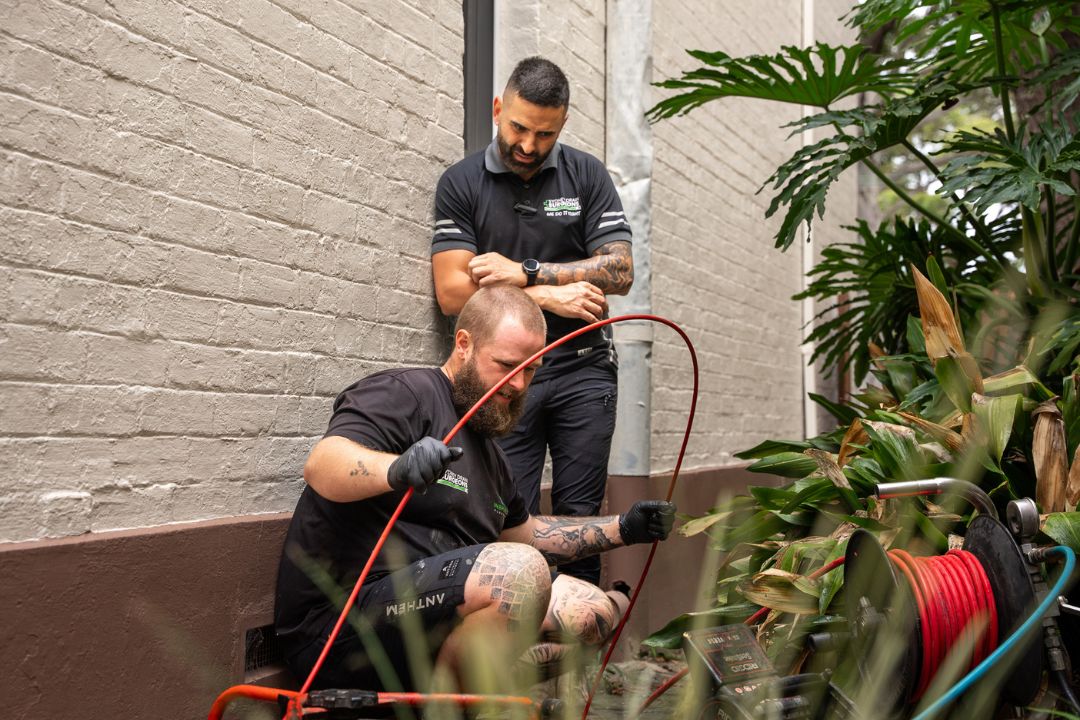
sydney drain surgeon blocked drain service
Not every slow drain requires an urgent call out, but some situations should never wait.
If any of these apply, stop using water in the property immediately, since every extra litre adds to the backup, and contact an emergency plumber.
One of the main reasons you may experience severe blockages in your pipes is the things that go down your drains that shouldn’t be there:
For minor blockages, clogs affecting a single fixture can sometimes be cleared without calling a plumber:
These methods only work on minor, surface level clogs. Chemical drain cleaners have similar limits. They can shift soft organic buildup but do nothing against tree roots, collapsed pipes, or lodged objects, and repeated use can damage older pipe materials common in Sydney's housing stock.
If a drain is still slow after trying these steps, or if the blockage keeps returning, that's a sign of a deeper or structural issue that needs professional diagnosis. Our emergency blocked drain plumber will use CCTV drain cameras and hydro jetting equipment to locate and clear blockages without damaging the pipe.
Drainage problems can occur in many areas of your home and business property. That’s why Sydney Drain Surgeons' plumbing services address a wide range of issues, including:
Whether it is a minor clog or a major pipe obstruction, our experienced plumbing technicians provide reliable blocked drains and pipe services tailored to your situation.
Costs vary depending on the cause and severity of the blockage, but most straightforward drain clearing jobs in Sydney fall somewhere between $100 and $350. A CCTV inspection typically adds $150 to $350, high pressure hydro jetting runs from around $250 to $600, and more involved work like tree root removal or pipe relining can run well beyond $500 depending on the length and condition of the pipe. After hours and emergency call outs are generally priced higher than standard daytime bookings. These figures are general guides only, so always get a written price confirmed before any work begins.
A typical professional drain clearing job follows four steps:
1. Inspection and diagnosis. A CCTV drain camera is used to locate the exact position and cause of the blockage inside the pipe.
2. Clearing the blockage. High pressure jetting or mechanical tools remove debris, grease, or root intrusion from the line.
3. Pipe assessment. Once cleared, the pipe is checked for damage or wear that could cause future blockages.
4. Long term solution. Based on the pipe's condition, further work such as repair, pipe relining, or a maintenance schedule may be recommended to prevent recurrence.
Pipe relining is commonly used for cracked or root damaged pipes, as it repairs the pipe from the inside without digging up the surrounding ground or lawn.
Most blockages are preventable with a few ongoing habits:
With years of experience and specialised tools, Sydney Drain Surgeon provides efficient solutions that restore your drainage system and prevent recurring issues.
Book Sydney Drain Surgeon today or call us at 02 9158 3564 for fast, reliable blocked drains and pipe services and restore your plumbing system with confidence.
How do I know if my blocked drain is an emergency? Call a plumber immediately if sewage is backing up, multiple fixtures are blocked at once, water is overflowing, or you can smell strong sewer gas inside. A single slow draining fixture that's still moving can usually wait for a same day booking.
Why does my drain keep blocking even after clearing it? Recurring blockages usually point to a structural cause, such as tree root intrusion, a partially collapsed pipe, or a section with surface irregularities that catch debris. A CCTV inspection after a repeat blockage will identify the cause and whether pipe relining is needed.
Can I use chemical drain cleaners first? They can work on soft, surface level organic buildup, but they're ineffective against roots, collapsed pipes, or foreign objects, and repeated use can damage older pipe materials. If a drain has been slow for more than a week, a professional diagnosis is more cost effective than repeated chemical treatments.
How do plumbers detect hidden leaks or blockages? Plumbers typically use CCTV drain cameras and, in some cases, thermal imaging to see inside pipes without digging up the property, allowing them to pinpoint the exact location and cause of a problem.
What do plumbers do to unclog drains? Depending on the cause, they may use high pressure water jetting, drain snakes, or other mechanical tools to clear the pipe. For recurring or unclear blockages, a camera inspection is usually done first to confirm the cause before any clearing work begins.