

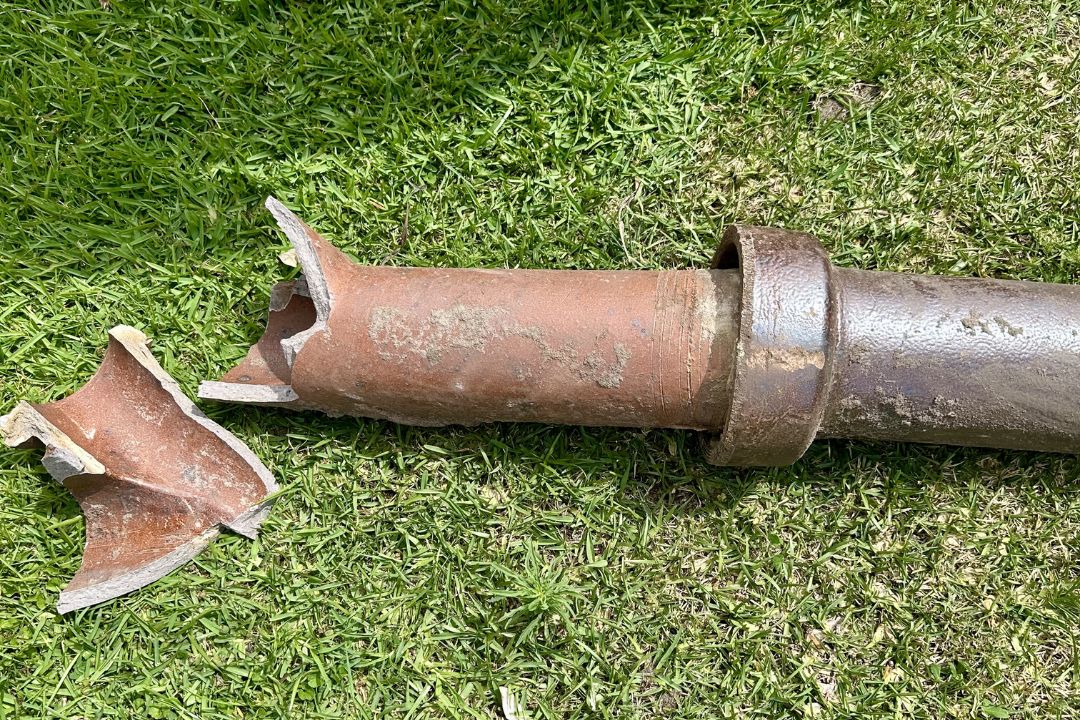
Your household pipes may be in poor condition if you notice discoloured or foul-smelling water, reduced water pressure, damp patches on walls or ceilings, slow-draining fixtures, unexplained spikes in your water bill, or unusual gurgling noises from drains.
In Sydney, many homes were built before the 1980s with galvanised steel or clay sewer lines. These symptoms are common warning signs of ageing, cracked, or partially collapsed drain systems. A professional CCTV drain camera inspection is the most reliable way to confirm pipe condition and determine whether pipe relining or full pipe replacement is the right course of action.
signs your pipe is ageing
Water damage from failing pipes is one of the leading causes of structural damage to Australian homes. According to the Insurance Council of Australia, water-related damage consistently ranks among the top home insurance claims year after year. In Sydney particularly, where a significant proportion of housing stock dates back to the mid-20th century or earlier, ageing pipe infrastructure is a silent threat lurking beneath the floors and inside the walls of thousands of homes.
The problem isn't just physical damage. Hidden leaks raise water bills, encourage mould growth, compromise structural timber, and, in the case of sewer line failures, create serious hygiene hazards. The good news is that modern solutions like trenchless pipe relining repair in Sydney mean you don't necessarily need expensive excavation to fix even severely damaged pipes. But the first step is knowing what to look for.
Here are the most important warning signs Sydney homeowners should never ignore.
Notice running brown, orange, or yellow water? It indicates that your taps are experiencing corroded galvanised steel pipes. Beyond being unsightly, rust-tainted water poses potential health risks and signals that your pipes are deteriorating from the inside out.
Multiple drops of water pressure throughout your home mean there is a mineral buildup, internal corrosion narrowing the pipe bore, or a partial pipe collapse restricting flow.
If your water usage habits haven't changed but your bill has climbed, there's a strong chance water is escaping somewhere in your pipe system. Even a small, steady leak in a supply line can waste thousands of litres per month. Cross-reference your water meter reading with your bill, if usage doesn't add up, a hidden leak may be the culprit.
The reason you have a slow drain is due to a localised blockage, such as hair, soap, or food waste. But when multiple fixtures fail at the same time, it indicates a partial blockage or collapse in the main sewer line. The culprit? Tree root intrusions are growing beneath your established gardens.
A persistent smell of sewage, particularly noticeable near floor drains, in the laundry, or outside near your sewer line, is a serious red flag. There is a cracked sewer pipe, a failed pipe joint, or a partially collapsed drain allowing sewer gas to escape. It's a health hazard requiring prompt professional attention and very likely drain repair.
Moisture stains on ceilings or walls, paint that bubbles or peels without obvious cause, or mould appearing in areas that shouldn't be damp. All of these point to a concealed water leak.
Persistent wet, spongy, or sunken areas in your lawn or garden, even when it hasn't rained? There’s a real possibility of an underground sewer or stormwater pipe leak beneath the surface.
Gurgling sounds from your drains after flushing or draining indicate trapped air in your pipe system. Banging or hammering sounds suggest pressure irregularities that stress pipe joints over time.
⚠️ Important: Experiencing more than two of these symptoms simultaneously is a strong indicator of systemic pipe deterioration not just a surface-level blockage. A professional CCTV drain camera inspection from Sydney Drain Surgeons will give you an HD picture of what's happening inside your pipes, with video footage you can see for yourself.When Should Pipes Be Replaced in a Home?
Over decades, ground movement, tree root pressure, and general soil settlement cause clay pipes to crack, shift at joints, and partially or fully collapse. When clay sewer lines fail, the results include persistent blockages, sewage odours, and, in severe cases, collapsed drain repair work requiring either excavation or modern trenchless pipe repair Sydney methods.
| Pipe Material | Typical Lifespan | Common Failure Mode | Risk Level at 30+ Years |
| Galvanised Steel | 20–50 years | Internal corrosion, narrowing bore, rust leaks | High |
| Copper | 50–70 years | Pinhole leaks, pitting corrosion, joint failure | Moderate |
| PVC / uPVC | 50–80 years | Joint cracking, root infiltration, UV brittleness | Low |
| Clay / Terracotta | 50–100 years | Joint displacement, root infiltration, collapse | Moderate–High |
| Cast Iron | 75–100 years | Internal corrosion, cracking, joint failure | Moderate |
| Lead | 100+ years | Health risk — should be removed regardless of condition | Replace Immediately |
Lead Pipes: If your home was built before the 1930s, there is a possibility it still contains lead pipe sections, particularly in the internal supply lines. Lead pipes should be removed regardless of their apparent physical condition — lead leaching into drinking water poses serious, well-documented health risks. Contact Sydney Drain Surgeons immediately if you suspect lead pipes in your property.
When it comes to ageing pipes in Sydney, there's no shortage of plumbers who'll tell you what's wrong, but not every team has the specialist equipment, no-dig technology, and diagnostic expertise to give you a truly accurate picture and a genuine repair solution.
At Sydney Drain Surgeons, pipe diagnosis and relining are our speciality. Not a sideline. Here's why Sydney homeowners choose us when their pipes start showing their age:
We send a live-feed camera through your drain system so you can see exactly what we see: cracks, root intrusion, joint failure, partial collapse, before we recommend any solution.
Our no-dig pipe relining Sydney method restores your pipes from the inside without excavating your yard, driveway, or home. Less mess, less time, and lower total cost than traditional dig-and-replace.
Root infiltration is the number one cause of sewer line failure in your home. We remove roots, reline the affected pipe with an epoxy liner, and seal out future intrusion permanently.
For severely damaged or collapsed sections, our pipe drain repair specialists assess whether relining, pipe bursting, or targeted excavation is the most efficient solution for your specific situation.
Our Sydney team operates around the clock and responds to drain and pipe emergencies across the greater Sydney area— fast.
Our pipe relining work is backed by a 35-year product and workmanship warranty. You're not just fixing the problem. So, you're investing in a pipe system that outlasts most alternatives.
We provide clear, fixed quotes before beginning any work. No hidden charges, no surprise additions. You know exactly what you're paying for and why, every time.
All our technicians are licensed plumbers operating under full public liability insurance. Every job complies with AS/NZS 3500 and Sydney Water requirements, with compliance certificates issued on completion.
How do I know if my pipes need replacing?
The clearest signs that your pipes need professional attention include persistent discolouration in your water, reduced pressure across multiple fixtures, slow drains throughout the house, unexplained wet patches in your garden or damp on interior walls, sewage odours, or a water bill that's climbing without explanation.
Is discoloured water a sign of bad pipes?
In most cases, it is. Brown, orange, or yellow water is a telltale sign of rust inside your supply pipes, typically galvanised steel that has begun corroding internally. If discolouration is persistent, recurs regularly, or worsens over time, it is almost certainly coming from your own pipes and should be investigated professionally. Beyond the unpleasant appearance, water contaminated with rust and pipe debris is not something you want to consume or cook with.
Can pipes deteriorate without visible leaks?
Absolutely. Pipes deteriorate from the inside, and significant internal corrosion, narrowing of the pipe bore, and crack formation can all be present without a single visible drip reaching your floors or ceilings. By the time a leak becomes visible internally, the pipe has usually already been compromised for months or years.
How often should household pipes be inspected?
For homes under 20 years old with modern PVC or copper plumbing and no symptoms, every 5 years is a reasonable general guideline. For homes over 30 years old, particularly those with galvanised steel or original clay sewer lines, an inspection every 2–3 years is strongly recommended, or immediately if any of the warning signs described in this article appear.
Will insurance cover pipe repairs from wear and tear?
In most cases, standard home insurance does not cover gradual wear and tear or deterioration from age; it covers sudden and accidental events. Sydney Drain Surgeons can provide detailed written inspection reports and photos that help support insurance claims where applicable.
At Sydney Drain Surgeons, we've spent years helping Sydney homeowners understand exactly what's happening inside their pipes. Not with vague diagnoses, but with live CCTV footage that shows you the actual condition of your drain system. And where problems exist, our no-dig method or trenchless pipe relining repair Sydney technology means you can fix them properly, without tearing up your property to do it.
Book your CCTV drain camera inspection today. Know your pipes. Protect your home.